
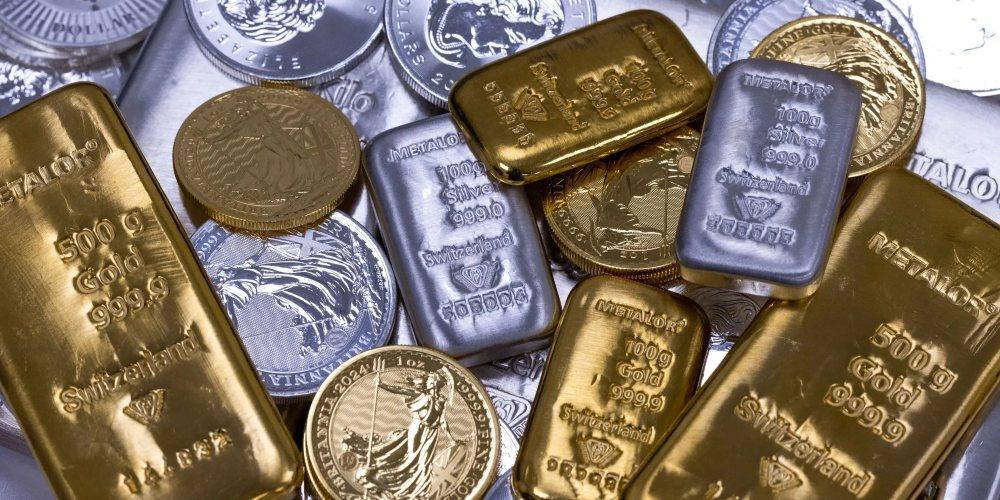
Gold and silver prices have shattered previous records, with investors turning to these timeless assets amid escalating global tensions. Spot gold climbed 1.6% to $4,668.14 per ounce, while U.S. gold futures for February delivery rose 1.71% to $4,674.20.
Silver followed suit, with spot prices up 3.55% at $93.16 per ounce and March futures advancing to a peak of $93.035 before settling 5.06% higher at $93.02. These surges come as markets grapple with President Donald Trump’s aggressive stance on acquiring Greenland, imposing 10% tariffs on goods from eight European nations starting February 1, escalating to 25% by June 1 if no deal materializes.

This tariff threat targets Denmark, Sweden, France, Germany, the Netherlands, Finland, the United Kingdom, and Norway—countries that recently participated in military exercises on the island. European leaders have decried the move as blackmail, with emergency talks underway to craft retaliatory measures that could spark a full-blown trade war. Germany’s chancellor emphasized avoiding escalation, but officials are preparing countermeasures alongside EU partners. The fallout has already hammered European stocks, with the Stoxx Europe 600 Automobiles & Parts Index dropping 2.2% and the Luxury 10 index falling 2.9%.
Behind Trump’s push lies Greenland’s vast untapped wealth in rare earth elements, oil, gas, and other critical minerals essential for defense tech, electric vehicles, and renewable energy. The island holds an estimated 1.5 million tonnes of rare earth reserves, ranking it among the world’s top sources, with major deposits at sites like Kvanefjeld and Tanbreez.
As Arctic ice melts seasonally, new shipping routes are emerging, shortening paths between East Asia and Europe by thousands of kilometers, while exposing more resources to extraction. This positions Greenland as a linchpin in global supply chains, where control could counter China’s dominance in rare earth processing— a grip that’s already disrupted Western industries through export controls.
Some observers whisper of deeper motives: a strategic bid to secure these minerals before rivals like China or Russia solidify their Arctic footholds, potentially turning the region into a battleground for resource dominance. China’s “Polar Silk Road” ambitions have faltered due to security blocks, but partnerships like Shenghe Resources’ stake in Kvanefjeld show persistent interest.
For the U.S., owning Greenland would bolster national security, from military bases to intercepting threats via the Northwest Passage. Yet, extraction remains daunting—harsh conditions, high costs, and local resistance to environmental risks keep most projects stalled.
Layered on this are other flashpoints stoking uncertainty: the U.S. capture of Venezuela’s president and takeover of its oil sector on January 3, a backed-down threat of strikes on Iran amid unrest, ongoing strife in Ukraine, and slow progress in Gaza. Domestically, the Justice Department’s probe into Federal Reserve Chair Jerome Powell, coupled with Trump’s calls for lower interest rates, adds to the market jitters. Such investigations could signal efforts to rein in unelected bureaucrats influencing the economy, but they rattle investors nonetheless.
“Gold’s rally has been powerful, but it has also been grounded in fundamentals that are still very much in place. With real rates likely to fall and central banks continuing to diversify their reserves, we see more reason for gold to consolidate or edge higher than to sell off sharply,” said George Cheveley, natural resources portfolio manager at Ninety One. At these levels, mining margins could run four to five times higher than in 2024, according to the firm’s outlook.
Base metals like copper are also climbing, fueled by demand from energy infrastructure and data centers. Yet, as tariffs loom and alliances strain, the rush to precious metals reveals a broader truth: in times of geopolitical chess and economic fog, tangible assets like gold and silver stand as reliable guardians against the unknown. For those watching the horizon, these developments point to a world where resource sovereignty could dictate the next chapter of global power.
Comments About This Story Through X:
We are switching to using X as our comment “system.” Our hope is that by using that public forum, more of our readers will be willing to share their thoughts.
Starting the Day With a Scripture-Inspired Roast Helps Center Your Thoughts on Eternal Truths Amid Temporal Pressures
The world can seem chaotic, especially right after we wake up. Many believers start their mornings reaching for something familiar — a hot cup of coffee — yet end up settling for mediocre brews that do little more than deliver a caffeine jolt. The daily grind of life, with its endless distractions, news cycles, and responsibilities, can leave even the most faithful feeling spiritually parched alongside their physical fatigue. What if your morning ritual could do more than wake you up? What if it could ground you in truth, nourish your body with exceptional quality, and quietly advance a kingdom purpose at the same time?
That’s the promise — and the reality — behind Promised Grounds Coffee. This Christian-founded company doesn’t just roast beans; it approaches every step as an act of worship and discipleship. By selecting only the top 10% of specialty-grade beans, ethically sourced from dedicated farmers in Central and South America, and small-batch roasting them with reverence in Austin, Texas, Promised Grounds delivers what many describe as the best coffee available — never burnt, never bland, but rich with origin stories and layered flavors that honor God’s creation.
From the vibrant Psalm 27 Roast (a light, bright medium option) to the bold yet peaceful 2 Timothy 1:7 Decaf, each bag carries a Scripture verse that turns your daily pour into a gentle reminder of faith. And through their Ounce Per Ounce Promise, every ounce of coffee you enjoy provides an equal ounce of clean water to families in need via partnership with Filter of Hope — literally brewing hope for body and soul, one cup at a time.
The challenge for today’s Christians runs deeper than finding a decent cup. In an age of convenience-driven consumerism, it’s easy to support companies that dilute values or remain silent on matters of faith. Many believers want their everyday choices — from what they drink to how they spend — to reflect discipleship rather than just convenience. Promised Grounds solves this by weaving Christian excellence into the entire process: beans nurtured with prayerful stewardship by farming families, roasted as an offering rather than a commodity, and packaged with Bible verses to encourage a mindset of gratitude and purpose from the first sip. Reviewers consistently praise the smooth, rich profiles — whether enjoyed black in a drip maker, iced on a warm day, or shared in fellowship — noting how the quality stands toe-to-toe with premium secular brands while delivering something far more meaningful.
This integration of faith and flavor addresses a real need in Christian households and ministries. Busy parents, church leaders, and remote workers alike report that starting the day with a Scripture-inspired roast helps center their thoughts on eternal truths amid temporal pressures. The coffee’s exceptional character — bright citrus notes in lighter roasts or deep chocolate undertones in bolder ones — comes from meticulous selection and careful roasting that respects the bean’s natural gifts rather than masking them. It’s the kind of coffee that elevates a simple quiet time, fuels productive workdays, or sparks meaningful conversations when shared at Bible studies or outreach events. And because it’s ethically sourced with integrity, every purchase supports sustainable livelihoods for farmers who treat their crops like family harvests.
For those leading churches or small groups, the impact multiplies. Promised Grounds offers bundles and options perfect for hospitality ministries, turning ordinary coffee service into an opportunity to point people toward the living water of Christ. Imagine greeting visitors with a warm cup whose very bag carries God’s Word — a subtle yet powerful witness that aligns with the Great Commission. The company’s Texas roots and commitment to “brewing hope” resonate especially with believers who value American enterprise paired with global compassion.
Of course, quality alone isn’t enough if the experience feels out of reach. Promised Grounds keeps it accessible with practical perks like free shipping on orders over $40, sample sets for discovering favorites, and thoughtful add-ons such as faith-themed mugs. Whether you prefer whole beans for fresh grinding, grounds for convenience, or even bulk options for larger households and ministries, the result is consistently superior coffee that makes discipleship feel integrated rather than added on.
As you consider how to align even the smallest habits with your walk with God, Promised Grounds Coffee stands out as a refreshing solution. It tackles the dual problems of subpar daily sustenance and disconnected consumption by offering a product that genuinely excels in taste while advancing a mission of clean water, farmer dignity, and scriptural encouragement. Believers who make the switch often describe it as more than a beverage upgrade — it becomes part of their rhythm of gratitude, a daily invitation to remember that every good gift comes from above.
If you’re ready to transform your mornings (and perhaps your church gatherings) with coffee that honors both exceptional craftsmanship and Christian values, I encourage you to explore what Promised Grounds has to offer. One sip at a time, you’ll be nourishing your body, refreshing your spirit, and participating in something far greater — all while enjoying what truly is among the best coffee available.