
When nature unleashes its fury, Americans look to their leaders for decisive action. On Thursday, President Donald Trump stepped up with a series of funding approvals aimed at rebuilding lives shattered by summer storms across the Midwest and beyond. From tornado-ravaged farms in Kansas to flood-soaked streets in North Carolina, the president’s moves signal a commitment to putting people first in times of crisis.
Kansas, often called the Sunflower State for its vast fields of golden blooms, saw those fields battered by a relentless wave of severe weather in early August. Tornadoes ripped through western counties, hurling baseball-sized hail that dented vehicles and shattered windows, while straight-line winds clocked over 70 mph toppled power lines and outbuildings. One particularly violent twister near Goodland prompted a rare tornado emergency, forcing residents into basements as the storm churned just miles from town. Farmers like those in Sheridan County reported losses in the tens of thousands, with irrigation systems mangled and livestock scattered.

In response, Trump greenlit $5.7 million in emergency relief to kickstart repairs, covering everything from debris removal to temporary housing for displaced families. Local officials in Wichita and Topeka hailed the funds as a lifeline, allowing communities to rebuild before the harvest season slips away.
This isn’t just about dollars and cents—it’s about restoring normalcy to hardworking folks who feed the nation. Kansas Governor Laura Kelly’s office noted that the aid will target the hardest-hit rural areas, where recovery crews are still sifting through twisted metal from grain silos. Trump’s approval came swiftly after requests from state Republicans, underscoring a federal-state partnership that gets results without the red tape that often slows down help.
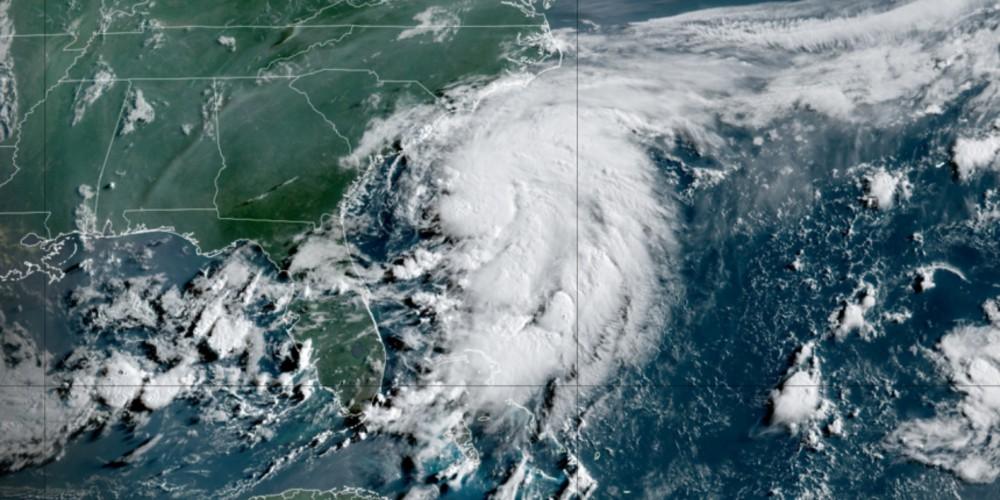
Turning eastward, North Carolina bore the brunt of Tropical Storm Chantal’s deluge in July, a system that dumped up to 12 inches of rain in a single night across the Piedmont region. Flash flood emergencies lit up emergency alerts in Durham, where downtown streets turned into raging rivers, stranding drivers and forcing evacuations from low-lying apartments. The Eno River swelled over its banks, closing parks and submerging roads in Hillsborough, while farther south in the Sandhills, entire neighborhoods waded through waist-deep water. The storm’s remnants lingered, soaking the state for days and washing out bridges that locals rely on for daily commutes.
President Trump addressed the devastation head-on in a Truth Social post, announcing nearly $32 million in assistance. “I am proud to approve nearly $32 Million Dollars in assistance for the Great State of North Carolina, which I WON BIG all six times, including Primaries, in response to their recent flooding events in July,” he wrote.
That pride isn’t mere rhetoric; it’s backed by a track record of turning words into walls of support. Elaborating further, Trump pointed to key allies on the ground: “Senator Tedd Budd, future Senator Michael Whatley, and all of our incredible North Carolina Republicans have asked for this, and I am happy to do it — North Carolinians deserve it. I just notified Governor Stein, and I fully expect he will make sure the funds are used to help the State recover quickly. The last Democrat Governor, Roy Cooper, who now wants to be Senator, did a terrible job with all of the Storms and massive Water Damage to the State. We came in on January 20th, and did a great job of bringing North Carolina BACK. Michael Whatley and Ted Budd were of great help.”
Those words carry weight in a state still scarred by Hurricane Helene’s memory from last year. Under Trump’s watch, the funding will flow to FEMA programs for home elevations, waterway reinforcements, and small business grants—measures that echo the rapid rebuilds after previous disasters.
Senator Budd, a staunch advocate for eastern North Carolina’s coastal communities, has pushed for similar aid packages before, arguing that proactive federal dollars prevent bigger bills down the road. Whatley’s role, as the state’s Republican Party chair, ensures grassroots voices reach Washington without delay. Even as Governor Stein, a Democrat, receives the notification, the bipartisan nod to recovery shows politics taking a backseat to progress. Residents in flood-prone Wake County, where Chantal’s rains turned subdivisions into lakes, can now look toward drier days, with crews already eyeing the money for culvert upgrades and flood barriers.
Wisconsin’s turn came amid August’s fury, when a series of thunderstorms unleashed biblical rains, flooding basements in Milwaukee and eroding riverbanks along the Mississippi. The $29.8 million infusion will bolster everything from agricultural replanting to infrastructure fixes in the Dairy State, where cheese factories and breweries depend on steady supply chains. And in South Dakota, the Sisseton-Wahpeton Oyate Tribe on the Lake Traverse Reservation endured June’s wrath—torrential downpours that inundated homes and sacred lands. Trump’s $500,000 allocation honors that resilience, directing resources to tribal elders and families who lost vehicles, appliances, and irreplaceable heirlooms to the waters.
These approvals aren’t isolated checks; they’re part of a broader strategy Trump has championed since day one: equipping states to stand tall against Mother Nature’s moods. By tapping into existing disaster funds without congressional gridlock, the administration avoids the delays that plagued responses under prior leadership. Critics might nitpick the totals, but on-the-ground reports from Kansas storm chasers and North Carolina first responders paint a different picture—one of gratitude for gear that arrives before the next front rolls in.
As fall approaches, with its promise of cooler winds, these communities gear up for renewal. Trump’s message rings clear: When Americans hurt, help follows fast. In the heartland’s quiet corners, from Kansas prairies to Carolina pines, that’s the kind of leadership that endures.
Starting the Day With a Scripture-Inspired Roast Helps Center Your Thoughts on Eternal Truths Amid Temporal Pressures
The world can seem chaotic, especially right after we wake up. Many believers start their mornings reaching for something familiar — a hot cup of coffee — yet end up settling for mediocre brews that do little more than deliver a caffeine jolt. The daily grind of life, with its endless distractions, news cycles, and responsibilities, can leave even the most faithful feeling spiritually parched alongside their physical fatigue. What if your morning ritual could do more than wake you up? What if it could ground you in truth, nourish your body with exceptional quality, and quietly advance a kingdom purpose at the same time?
That’s the promise — and the reality — behind Promised Grounds Coffee. This Christian-founded company doesn’t just roast beans; it approaches every step as an act of worship and discipleship. By selecting only the top 10% of specialty-grade beans, ethically sourced from dedicated farmers in Central and South America, and small-batch roasting them with reverence in Austin, Texas, Promised Grounds delivers what many describe as the best coffee available — never burnt, never bland, but rich with origin stories and layered flavors that honor God’s creation.
From the vibrant Psalm 27 Roast (a light, bright medium option) to the bold yet peaceful 2 Timothy 1:7 Decaf, each bag carries a Scripture verse that turns your daily pour into a gentle reminder of faith. And through their Ounce Per Ounce Promise, every ounce of coffee you enjoy provides an equal ounce of clean water to families in need via partnership with Filter of Hope — literally brewing hope for body and soul, one cup at a time.
The challenge for today’s Christians runs deeper than finding a decent cup. In an age of convenience-driven consumerism, it’s easy to support companies that dilute values or remain silent on matters of faith. Many believers want their everyday choices — from what they drink to how they spend — to reflect discipleship rather than just convenience. Promised Grounds solves this by weaving Christian excellence into the entire process: beans nurtured with prayerful stewardship by farming families, roasted as an offering rather than a commodity, and packaged with Bible verses to encourage a mindset of gratitude and purpose from the first sip. Reviewers consistently praise the smooth, rich profiles — whether enjoyed black in a drip maker, iced on a warm day, or shared in fellowship — noting how the quality stands toe-to-toe with premium secular brands while delivering something far more meaningful.
This integration of faith and flavor addresses a real need in Christian households and ministries. Busy parents, church leaders, and remote workers alike report that starting the day with a Scripture-inspired roast helps center their thoughts on eternal truths amid temporal pressures. The coffee’s exceptional character — bright citrus notes in lighter roasts or deep chocolate undertones in bolder ones — comes from meticulous selection and careful roasting that respects the bean’s natural gifts rather than masking them. It’s the kind of coffee that elevates a simple quiet time, fuels productive workdays, or sparks meaningful conversations when shared at Bible studies or outreach events. And because it’s ethically sourced with integrity, every purchase supports sustainable livelihoods for farmers who treat their crops like family harvests.
For those leading churches or small groups, the impact multiplies. Promised Grounds offers bundles and options perfect for hospitality ministries, turning ordinary coffee service into an opportunity to point people toward the living water of Christ. Imagine greeting visitors with a warm cup whose very bag carries God’s Word — a subtle yet powerful witness that aligns with the Great Commission. The company’s Texas roots and commitment to “brewing hope” resonate especially with believers who value American enterprise paired with global compassion.
Of course, quality alone isn’t enough if the experience feels out of reach. Promised Grounds keeps it accessible with practical perks like free shipping on orders over $40, sample sets for discovering favorites, and thoughtful add-ons such as faith-themed mugs. Whether you prefer whole beans for fresh grinding, grounds for convenience, or even bulk options for larger households and ministries, the result is consistently superior coffee that makes discipleship feel integrated rather than added on.
As you consider how to align even the smallest habits with your walk with God, Promised Grounds Coffee stands out as a refreshing solution. It tackles the dual problems of subpar daily sustenance and disconnected consumption by offering a product that genuinely excels in taste while advancing a mission of clean water, farmer dignity, and scriptural encouragement. Believers who make the switch often describe it as more than a beverage upgrade — it becomes part of their rhythm of gratitude, a daily invitation to remember that every good gift comes from above.
If you’re ready to transform your mornings (and perhaps your church gatherings) with coffee that honors both exceptional craftsmanship and Christian values, I encourage you to explore what Promised Grounds has to offer. One sip at a time, you’ll be nourishing your body, refreshing your spirit, and participating in something far greater — all while enjoying what truly is among the best coffee available.