
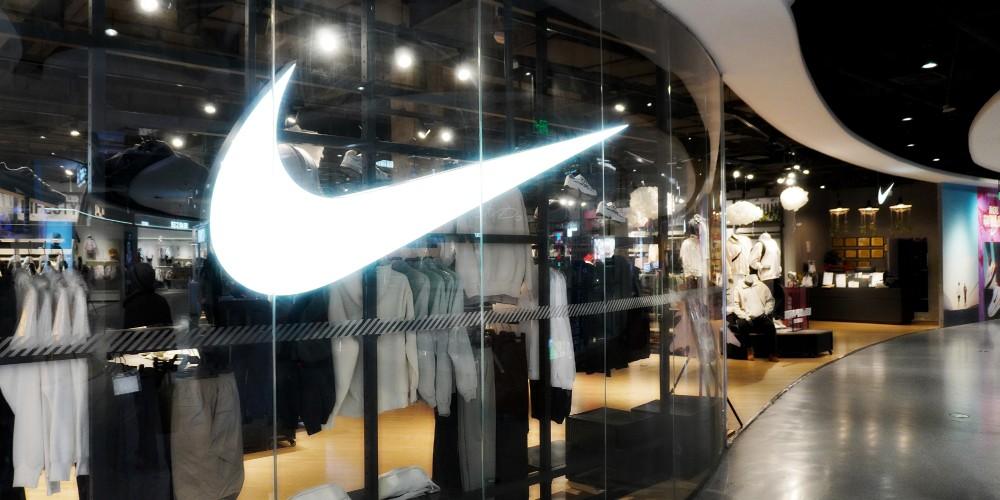
Nike, the global sportswear behemoth that built political capital for its progressive branding and social activism, now finds itself in the crosshairs of a federal investigation over claims that its aggressive diversity push has crossed into outright discrimination against white employees and applicants.
The U.S. Equal Employment Opportunity Commission (EEOC) announced this week that it has filed a subpoena enforcement action in federal court, demanding Nike hand over extensive records to probe allegations of systemic race-based bias tied to the company’s Diversity, Equity, and Inclusion (DEI) initiatives. This move marks a significant escalation in scrutiny of corporate DEI programs, signaling that no company is above the law when it comes to equal treatment under Title VII of the Civil Rights Act.

The investigation stems from a complaint filed in 2024 by America First Legal (AFL), a legal advocacy group founded by former Trump adviser Stephen Miller, which accused Nike of violating federal civil rights laws through policies that allegedly favor non-white employees at the expense of white males. AFL’s filing highlighted Nike’s self-imposed “2025 Targets,” which include specific quotas for increasing representation of underrepresented groups in its workforce and leadership roles. According to the complaint, these targets have led to discriminatory practices in hiring, promotions, layoffs, internships, mentoring, and other career development opportunities.
EEOC Chair Andrea Lucas, appointed during President Trump’s first term and now leading the agency in his second, has made clear that the probe is no mere formality. In a statement accompanying the court filing, Lucas emphasized the need for “evenhanded enforcement” of anti-discrimination laws, noting that public admissions by corporations about their DEI goals can trigger thorough investigations when they suggest potential violations.
The EEOC is seeking data dating back to 2018, including racial and ethnic breakdowns of Nike’s workforce, details on how race factors into executive compensation, and rosters for 16 specific mentoring and development programs that may be “race-restricted.”
Nike’s response has been one of surprise and defensiveness. A company spokesperson described the EEOC’s action as a “surprising and unusual escalation,” insisting that Nike has cooperated extensively by providing thousands of pages of documents and detailed responses. The spokesperson reiterated Nike’s commitment to “fair and lawful employment practices” and prohibition of discrimination, while affirming that its programs comply with legal requirements. Yet, the company’s refusal to fully comply with the subpoenas has forced the EEOC to seek judicial intervention, raising questions about what Nike might be withholding.
Nike has been under financial pressure, announcing multiple rounds of layoffs in recent years as it restructures operations and automates its supply chain. Just last week, the company revealed plans to cut 775 jobs, primarily at distribution centers in Tennessee and Mississippi. Previous cuts included over 1,600 positions in 2024 and a smaller reduction in corporate staff last August. Critics, including AFL, argue that these layoffs disproportionately affected white workers to meet DEI quotas, turning cost-cutting measures into vehicles for racial engineering.
The broader context reveals a pattern in corporate America where DEI initiatives, once hailed as moral imperatives, are increasingly viewed as legal liabilities. Under the Trump administration’s renewed focus on impartial civil rights enforcement, the EEOC has shifted gears from overlooking such programs to actively challenging them.
Nike, with its history of high-profile social justice campaigns—like its partnership with Colin Kaepernick—serves as a test case. If the investigation uncovers evidence of intentional discrimination, it could lead to sweeping changes not just at Nike but across industries chasing similar diversity metrics.
Skeptics of DEI have long argued that these programs, under the guise of equity, often invert discrimination rather than eliminate it. Observable patterns at Nike, such as public boasts about increasing “underrepresented” hires while white representation declines, lend credence to these claims without needing to venture into unproven territory. While Nike maintains its innocence, the EEOC’s pursuit suggests there’s enough smoke to warrant a deeper look—reminding us that true equality means protecting everyone from bias, regardless of race.
As the case unfolds in federal court, it could reshape how companies approach workforce diversity. For Nike, headquartered in Beaverton, Oregon, and employing tens of thousands worldwide, the stakes are immense: reputational damage, potential fines, and a possible overhaul of its celebrated DEI framework. What began as a complaint from a conservative legal group has now become a federal showdown, underscoring that laws against discrimination cut both ways.
Starting the Day With a Scripture-Inspired Roast Helps Center Your Thoughts on Eternal Truths Amid Temporal Pressures
The world can seem chaotic, especially right after we wake up. Many believers start their mornings reaching for something familiar — a hot cup of coffee — yet end up settling for mediocre brews that do little more than deliver a caffeine jolt. The daily grind of life, with its endless distractions, news cycles, and responsibilities, can leave even the most faithful feeling spiritually parched alongside their physical fatigue. What if your morning ritual could do more than wake you up? What if it could ground you in truth, nourish your body with exceptional quality, and quietly advance a kingdom purpose at the same time?
That’s the promise — and the reality — behind Promised Grounds Coffee. This Christian-founded company doesn’t just roast beans; it approaches every step as an act of worship and discipleship. By selecting only the top 10% of specialty-grade beans, ethically sourced from dedicated farmers in Central and South America, and small-batch roasting them with reverence in Austin, Texas, Promised Grounds delivers what many describe as the best coffee available — never burnt, never bland, but rich with origin stories and layered flavors that honor God’s creation.
From the vibrant Psalm 27 Roast (a light, bright medium option) to the bold yet peaceful 2 Timothy 1:7 Decaf, each bag carries a Scripture verse that turns your daily pour into a gentle reminder of faith. And through their Ounce Per Ounce Promise, every ounce of coffee you enjoy provides an equal ounce of clean water to families in need via partnership with Filter of Hope — literally brewing hope for body and soul, one cup at a time.
The challenge for today’s Christians runs deeper than finding a decent cup. In an age of convenience-driven consumerism, it’s easy to support companies that dilute values or remain silent on matters of faith. Many believers want their everyday choices — from what they drink to how they spend — to reflect discipleship rather than just convenience. Promised Grounds solves this by weaving Christian excellence into the entire process: beans nurtured with prayerful stewardship by farming families, roasted as an offering rather than a commodity, and packaged with Bible verses to encourage a mindset of gratitude and purpose from the first sip. Reviewers consistently praise the smooth, rich profiles — whether enjoyed black in a drip maker, iced on a warm day, or shared in fellowship — noting how the quality stands toe-to-toe with premium secular brands while delivering something far more meaningful.
This integration of faith and flavor addresses a real need in Christian households and ministries. Busy parents, church leaders, and remote workers alike report that starting the day with a Scripture-inspired roast helps center their thoughts on eternal truths amid temporal pressures. The coffee’s exceptional character — bright citrus notes in lighter roasts or deep chocolate undertones in bolder ones — comes from meticulous selection and careful roasting that respects the bean’s natural gifts rather than masking them. It’s the kind of coffee that elevates a simple quiet time, fuels productive workdays, or sparks meaningful conversations when shared at Bible studies or outreach events. And because it’s ethically sourced with integrity, every purchase supports sustainable livelihoods for farmers who treat their crops like family harvests.
For those leading churches or small groups, the impact multiplies. Promised Grounds offers bundles and options perfect for hospitality ministries, turning ordinary coffee service into an opportunity to point people toward the living water of Christ. Imagine greeting visitors with a warm cup whose very bag carries God’s Word — a subtle yet powerful witness that aligns with the Great Commission. The company’s Texas roots and commitment to “brewing hope” resonate especially with believers who value American enterprise paired with global compassion.
Of course, quality alone isn’t enough if the experience feels out of reach. Promised Grounds keeps it accessible with practical perks like free shipping on orders over $40, sample sets for discovering favorites, and thoughtful add-ons such as faith-themed mugs. Whether you prefer whole beans for fresh grinding, grounds for convenience, or even bulk options for larger households and ministries, the result is consistently superior coffee that makes discipleship feel integrated rather than added on.
As you consider how to align even the smallest habits with your walk with God, Promised Grounds Coffee stands out as a refreshing solution. It tackles the dual problems of subpar daily sustenance and disconnected consumption by offering a product that genuinely excels in taste while advancing a mission of clean water, farmer dignity, and scriptural encouragement. Believers who make the switch often describe it as more than a beverage upgrade — it becomes part of their rhythm of gratitude, a daily invitation to remember that every good gift comes from above.
If you’re ready to transform your mornings (and perhaps your church gatherings) with coffee that honors both exceptional craftsmanship and Christian values, I encourage you to explore what Promised Grounds has to offer. One sip at a time, you’ll be nourishing your body, refreshing your spirit, and participating in something far greater — all while enjoying what truly is among the best coffee available.